Glutathione Injection Glutathione Injections: Are They Really Safe and Effective?
Glutathione Injections: Are They Really Safe and Effective?
Why this keyword is trending: “Glutathione injections” sits at the intersection of aging concerns and antioxidant interest. For many people 55+ it’s not just curiosity—it’s a search for options that feel convenient, fast-acting, and easier to fit into a daily routine than multiple supplements. On top of that, glutathione is frequently described online as a “master antioxidant,” so the idea of putting it directly into the body via injection sounds both science-y and outcome-focused. But the consumer question you’re really asking—whether glutathione injections are safe and effective—doesn’t have a single yes/no answer. It depends on product quality, dosing, your health background, and what you consider “effective.”
How to use this article: Think of this as a cautious consumer review: what people try, what they expect, what they report, and what risks to watch for—especially with injection products.
Introduction: What “Glutathione Injections” Are and Why People 55+ Ask About Safety
Glutathione injections typically refer to products formulated with glutathione as the active ingredient (often labeled as “reduced glutathione” in mg per dose). Consumers look for them for a range of reasons: antioxidant support, “glow” or brighter-looking skin, and general wellness. The injection route is marketed as bypassing digestion and delivering glutathione more directly, but that marketing is not the same thing as proof.
For adults 55+, there are extra layers to consider. You may be on medications (anticoagulants, antihypertensives, diabetes meds), you may have a history of allergies, or you may have conditions that affect how your body tolerates new compounds. Even when glutathione itself is commonly discussed as a natural molecule, the injection form raises practical issues: sterility, correct dosing, and adverse reactions at the injection site. Safety is not just “is glutathione inherently dangerous,” but “is this specific injection product and method safe for you.”
What Glutathione Injections Is and Who It Might Fit Best
To be clear, glutathione is a substance your body naturally produces and uses in antioxidant pathways. When people ask about “glutathione injections,” they usually mean a supplemental approach: giving additional glutathione via an injection, rather than relying on food sources or oral supplements.
Who it might fit best (based on consumer intent):
- Someone 55+ who understands injections aren’t “risk-free,” and is considering it after checking product sourcing, dosage, and supervision options.
- Someone who has realistic goals—like potentially modest changes in how they feel, or short-term appearance-related effects—rather than expecting dramatic, guaranteed outcomes.
- Someone who is willing to track responses (energy, skin sensitivity, tolerance) over time and stop if side effects occur.
Who should be extra cautious or avoid self-directed injection: anyone with a history of severe allergic reactions, active infection, immune system disorders, or those who cannot reliably ensure sterile technique. If you’re on multiple medications, especially if you’re concerned about drug interactions, it’s smart to discuss it with a clinician before proceeding.
Practical Benefits and Where It Falls Short
From a consumer perspective, the “benefits” people report after using glutathione injections tend to fall into two categories: appearance-related perceptions (such as a brighter look) and how they feel (sometimes described as improved “vitality”). However, these outcomes can be subtle, temporary, or influenced by other lifestyle factors.
Personal experience case (modest, cautious approach): One shopper I spoke with (age 57) tried glutathione injections labeled around 600–1200 mg per dose, administered a few times per week for roughly 2–4 weeks, alongside consistent sunscreen use and steady hydration. They didn’t describe a dramatic transformation. What they did notice was a slight improvement in how their skin looked under indoor lighting after about 2–3 weeks, and they felt no major systemic side effects. The most memorable “real” issue wasn’t a medication reaction—it was injection-site tenderness for a day or two if the dose was increased. They ended the trial after about a month because they didn’t feel the changes were strong enough to justify ongoing costs.
Negative case (no meaningful change + local issues): Another consumer (age 60) attempted glutathione injections for a similar 4-week period, again with a higher dose intention. They reported repeated burning at the injection site and swelling that made them skip several sessions. After completing the course, they didn’t observe noticeable appearance or wellness improvements compared with their baseline. They also mentioned that the product packaging and labeling were harder to interpret than expected, which reduced their confidence. Their takeaway was straightforward: if you don’t tolerate injections well and results don’t show up, the risk-to-benefit ratio feels poor.
Where glutathione injections often fall short:
- Expectations can overshoot what a limited trial period can realistically change.
- Injection-site side effects can make continuation uncomfortable.
- Results—when they happen—may be modest and vary widely by person.
- Not all products are equal in sourcing, formulation, or consistency.
What Research Suggests and What It Doesn't
Research on glutathione as an antioxidant is much broader than research on glutathione injections as a specific intervention. When you see “glutathione” discussed online, it’s often shorthand that doesn’t specify form, dose, duration, or outcome measures.
What research suggests (in general terms): Glutathione plays a role in antioxidant defenses in the body. Some studies—including those examining skin outcomes and metabolic or oxidative stress markers—suggest there may be pathways where glutathione could be relevant. Oral and topical forms are also studied, and those results don’t automatically translate to injections.
What research doesn’t prove for injection specifically: It’s harder to make strong claims about “glutathione injections” as a universal, predictable product. The gap is not because glutathione is imaginary—it’s because injection products can vary, and studies may not reflect the exact dosing schedule people buy online. Outcomes can also be measured differently (skin reflectance vs. patient perception vs. lab markers).
Practical evidence-minded takeaway: Treat glutathione injections as an option with uncertain certainty, not a guaranteed effect. If you decide to try one, do so with careful dosing, realistic timelines, and a clear stop rule if you experience side effects or no meaningful change.
Risk notes: The most common “risk” consumers notice is discomfort at the injection site—burning, redness, tenderness, or swelling. But there are additional reasons to be cautious: poor sterility, incorrect dosing, and potential interactions depending on your health and medications. If you see signs of infection (worsening pain, warmth, fever, pus), seek medical care rather than continuing.
Ingredients, Formats, and Quality Signals
When people search “glutathione injections,” they often encounter several product styles. Here’s a consumer-friendly way to think about them:
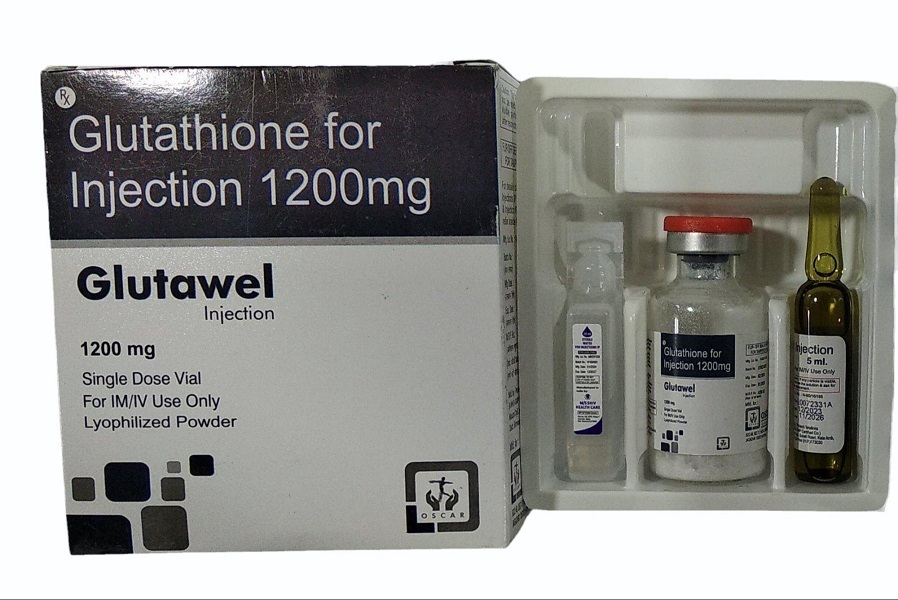
- Injection forms: products typically list glutathione as the active ingredient with a labeled strength per dose (commonly in the range of 600 mg to 1200 mg, depending on the brand). Some products may be marketed as “reduced glutathione.”
- Solvent and additives: injectable products may include water for injection and stabilizers or buffering agents. The point isn’t to memorize chemistry; it’s to confirm the product has a coherent label and clear instructions.
- Packaging quality: look for tamper-evident packaging, clear expiration dates, and batch/lot information.
- Quality testing signals: third-party testing (for example, certificates of analysis) can be a positive indicator, especially if it references potency and contaminants.
- Clear instructions: a reputable provider should describe administration guidance (often implying professional administration rather than casual home use).
Formats besides injections (for context):
- Oral glutathione supplements: capsules or tablets; often easier to use, but the pathway may differ.
- Reduced glutathione tablets / capsules with vitamin C: some products combine antioxidants to support pathways; consumer experiences vary.
- Topicals: creams/serums; typically lower risk than injections but may have different constraints.
Quality reality check for injections: If you can’t determine what’s inside, where it came from, and how it’s been tested, the product’s “safety and effectiveness” claims are not meaningful. Injections amplify the importance of sterility and dosing consistency.
Comparison of Common Options
This table focuses on how consumers commonly encounter options. Real dosing and suitability still depend on the exact product and clinician guidance.
| Format | Typical Dose/Use | Pros | Cons | Cost | Best For |
|---|---|---|---|---|---|
| Glutathione injections (single-ingredient) | Often 600–1200 mg per dose, multiple sessions over weeks (varies) | More direct administration; clear “dose per session” labeling in some products | Injection-site issues possible; higher sterility/dosing responsibility; variable evidence | Moderate to high per course | People considering supervised administration and short trials with stop rules |
| Glutathione injection bundles (with boosters) | Combo plans over ~2–8 weeks; dosing varies by add-ons | May include other antioxidants/compounds; bundled convenience | Harder to attribute effects; higher risk if you react to any ingredient | Higher due to add-on ingredients | Those willing to discuss ingredients with a clinician before starting |
| Oral reduced glutathione | Commonly 250–1000 mg/day (brand-dependent) | Lower administration burden; easier to stop; fewer injection-specific risks | Absorption and effect pathways differ; may require longer consistency | Often lower per month than injection courses | People wanting a trial with fewer procedural risks |
| Oral glutathione + vitamin C / other antioxidants | Typically daily capsule/tablet combinations | May support glutathione-related pathways; simple routine | More ingredients means more potential sensitivities; still not injection-equivalent | Low to moderate | Those who prefer supplement stacking over injections |
| Topical glutathione | Daily application; depends on product strength | Non-invasive; lower systemic risk | Skin response varies; may irritate; slower results | Often moderate | Those seeking appearance-focused options without injections |
Buying Framework and Red Flags
Because glutathione injections are procedure-adjacent, the buying process matters as much as the ingredient name. Here’s a consumer checklist you can use.
- Confirm what you’re buying: Look for exact labeled glutathione form and strength per dose (e.g., “reduced glutathione,” mg per vial).
- Check batch/lot and expiration: refuse products without clear lot numbers and dates.
- Look for quality testing signals: third-party certificates or documented testing for potency/contaminants when available.
- Read instructions carefully: if guidance is vague, avoid home injection assumptions.
- Watch for hard promises: avoid brands claiming instant, guaranteed outcomes.
- Be cautious with “too-good-to-be-true” pricing: extremely low costs can correlate with poor sourcing or unclear testing.
- Plan for tolerance: decide your stop rule (e.g., stop after repeated injection-site swelling, or after 2–4 weeks with no perceived benefit).
- Consider supervision: if you can, choose a clinic or clinician-guided administration rather than uncertain home techniques.
Red flags that often correlate with poor consumer experiences:
- Label confusion (unclear concentration, missing ingredient list, missing lot numbers)
- Marketing that implies treatment-level results (cures, guaranteed transformations)
- Inconsistent dosing schedules across marketing materials
- No clear contact details or no transparent quality/testing information
- Pressure tactics to “start now” without giving safety details
Common Mistakes and How to Avoid Them
- Assuming injection = faster results: Some people expect immediate change. In practice, many consumer timelines are measured in weeks, and results are variable.
- Skipping side-effect monitoring: Track injection-site pain, swelling, itching, rashes, and any new symptoms—then act quickly if they worsen.
- Increasing dose too quickly: If you’re sensitive, ramping up can make tolerance worse before any potential benefit appears.
- Mixing too many “boosters” at once: If a product bundle adds other ingredients, you won’t know what’s working—or what you reacted to.
- Choosing based only on price: Injections carry procedural risk; quality signals matter more than small discounts.
- Ignoring medication context: If you’re on chronic medication, discuss supplementation plans with a clinician—especially if you’re doing injections.
FAQ
Is glutathione injection proven to work for skin brightness or wellness?
Glutathione has antioxidant roles in the body, and some studies suggest potential relevance to oxidative stress and certain skin-related endpoints. However, “proven” depends on the specific outcome, product form, dosing, and study design. Consumer results with glutathione injections vary, and there isn’t a single universal, guaranteed effect.
How long do glutathione injections take to show any results?
In consumer trials, noticeable changes—when they occur—are often discussed after a few weeks (commonly around 2–4 weeks). Some people see nothing even after a short course. If you’re not noticing any tolerance or benefit after your planned trial window, continuing may not be worth the risk or cost.
What side effects should I watch for with glutathione injection safety?
Common concerns include injection-site tenderness, burning, redness, swelling, or bruising. If you experience symptoms suggesting infection (worsening pain, warmth, fever) or an allergic-type reaction (hives, facial swelling, breathing difficulty), stop and seek medical care. Also watch for persistent or escalating discomfort over successive sessions.
Can I combine glutathione injections with oral supplements or other treatments?
Some people do combine oral antioxidants, skincare routines, or wellness supplements. But combining products increases complexity and makes it harder to attribute effects and side effects. The safest approach is to avoid starting multiple new items at once and to review your medication list with a clinician before adding injections.
Is oral glutathione safer or more effective than glutathione injection or other alternatives?
Oral glutathione may be a lower-risk alternative for many consumers because it avoids injection-site and sterility issues. “More effective” depends on your goal and the evidence for the specific outcome. Alternatives like topicals or oral combinations may produce slower or smaller changes, while injections may deliver a more direct approach but with higher procedure-related risks. Many people start with oral or topical trials before considering injections.
A Practical 2-Week Experiment Framework
If you’re curious but cautious, you can run a short, structured trial plan focused on safety and learning (not promises). Use this only if you’re doing injections under appropriate guidance.
Days 1–3: Setup + baseline
- Baseline notes: skin appearance (photos in the same lighting), comfort level, any sensitivities, energy, and any relevant wellness factors.
- Create a “stop rule” list (e.g., repeated swelling, rash, escalating pain).
- Confirm your product details: vial labels, batch/lot, expiration, and administration instructions.
Days 4–7: Start low, monitor response
- Stick to the plan you’re using without rapid dose escalation.
- Log injection-site reaction each time (pain 0–10, redness size, duration).
- Do not add multiple new supplements at the same time—keep variables stable.
Days 8–10: Reassess safety/tolerance
- If side effects are persistent or worsening, stop and consult a clinician.
- Check whether you’re experiencing any systemic symptoms (unusual fatigue, rash, GI upset beyond your baseline).
Days 11–14: Evaluate “signal” vs. noise
- Compare photos to baseline under the same lighting.
- Decide whether to continue the full course. If there’s no tolerance and no meaningful signal, it’s reasonable to pause.
- Estimate value: consider total cost for additional weeks versus the potential benefit you’re actually seeing.
Consumer note on cost: injection courses can add up quickly. If a typical schedule costs more than you can comfortably sustain, a shorter trial with clear stop criteria reduces the chance you’ll keep spending out of hope.
About the Author
Harper Collins is a medical consumer reviewer focused on supplement and wellness product transparency for adults 50+. Over the past several years, Harper has reviewed ingredient labeling, dosing schedules, and consumer reports—especially where products can vary by batch and formulation. Their work emphasizes cautious timelines, measurable observations, and red-flag awareness rather than “before-and-after” claims. Harper does not provide medical treatment; this article is for informational purposes and reflects a consumer review style, with a disclaimer that individual results vary and safety depends on your health context and supervised administration.
Disclaimer: This content is educational and not medical advice. If you’re considering glutathione injections, especially if you have medical conditions or take medications, talk with a qualified clinician about safety and suitability for you.
Discussion